Employee relations, safety & compliance
Bring occupational health and safety, employee cases and workplace conflict into one clear workflow, with owners, evidence, actions and follow-up dates visible to the people responsible.
No card required · Free migration · Live in under a week
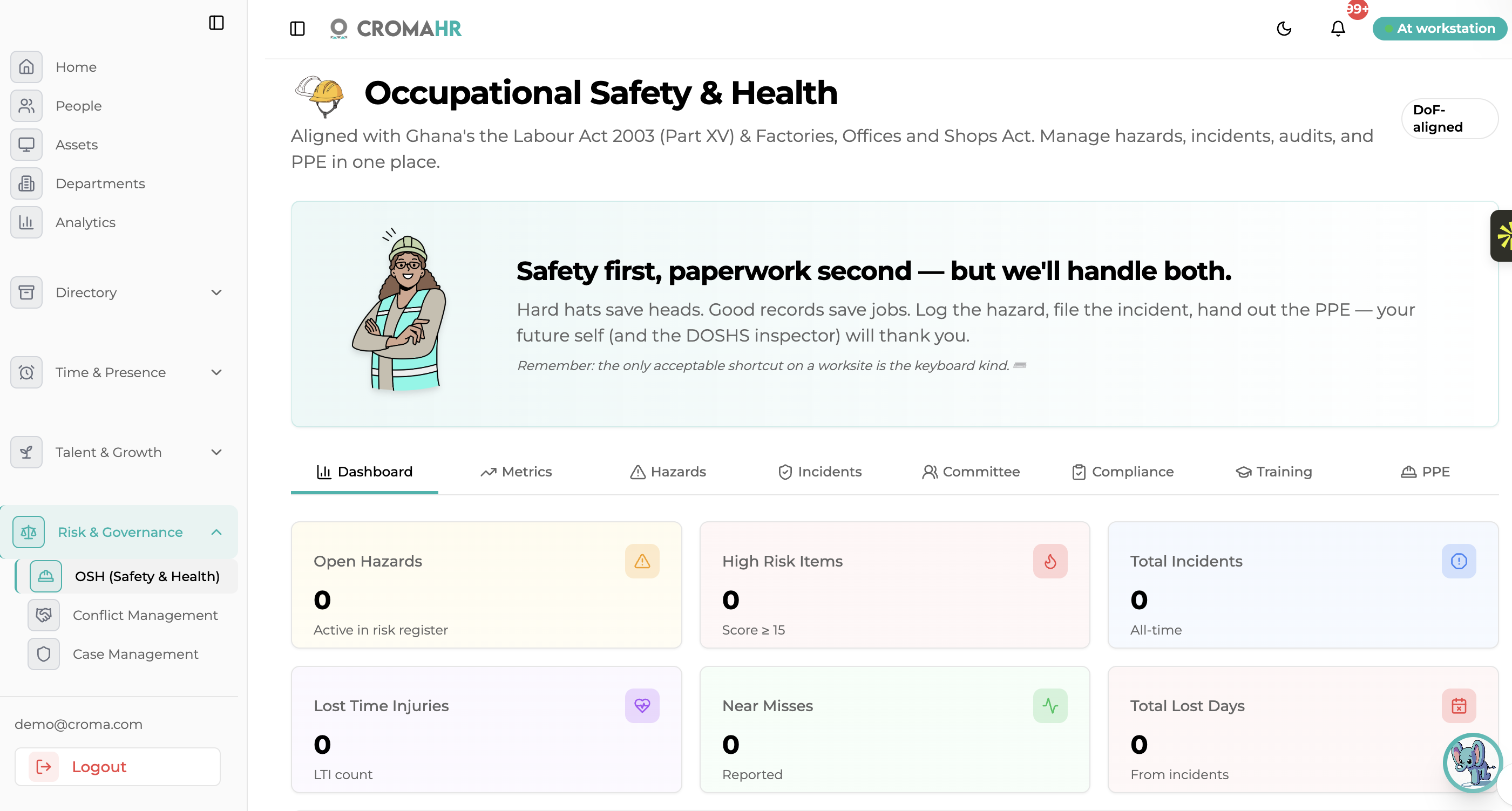
Record hazards, incidents, inspections and corrective actions before small risks become serious ones.
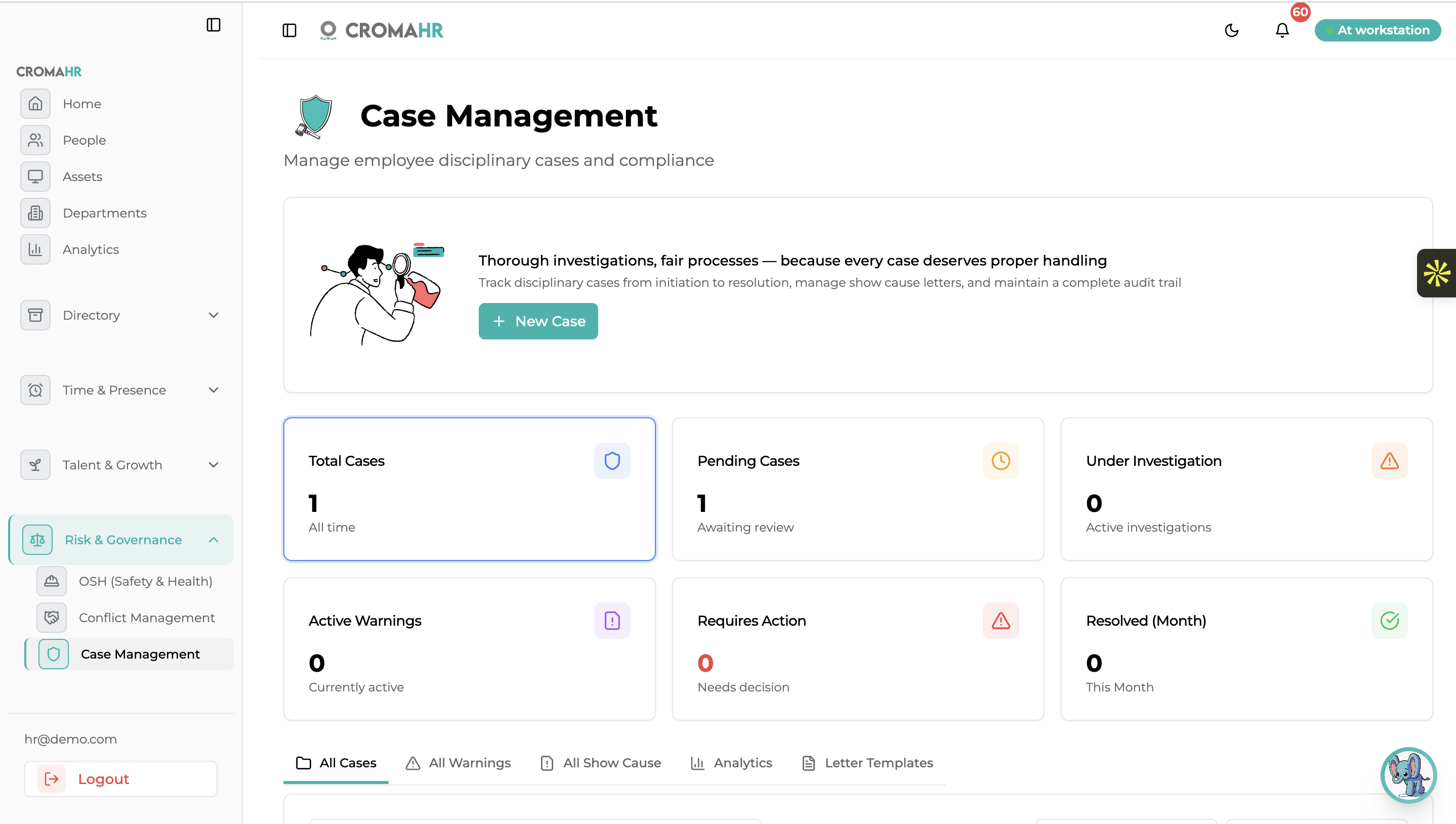
Keep employee concerns, investigations, actions and outcomes together in a private case file.
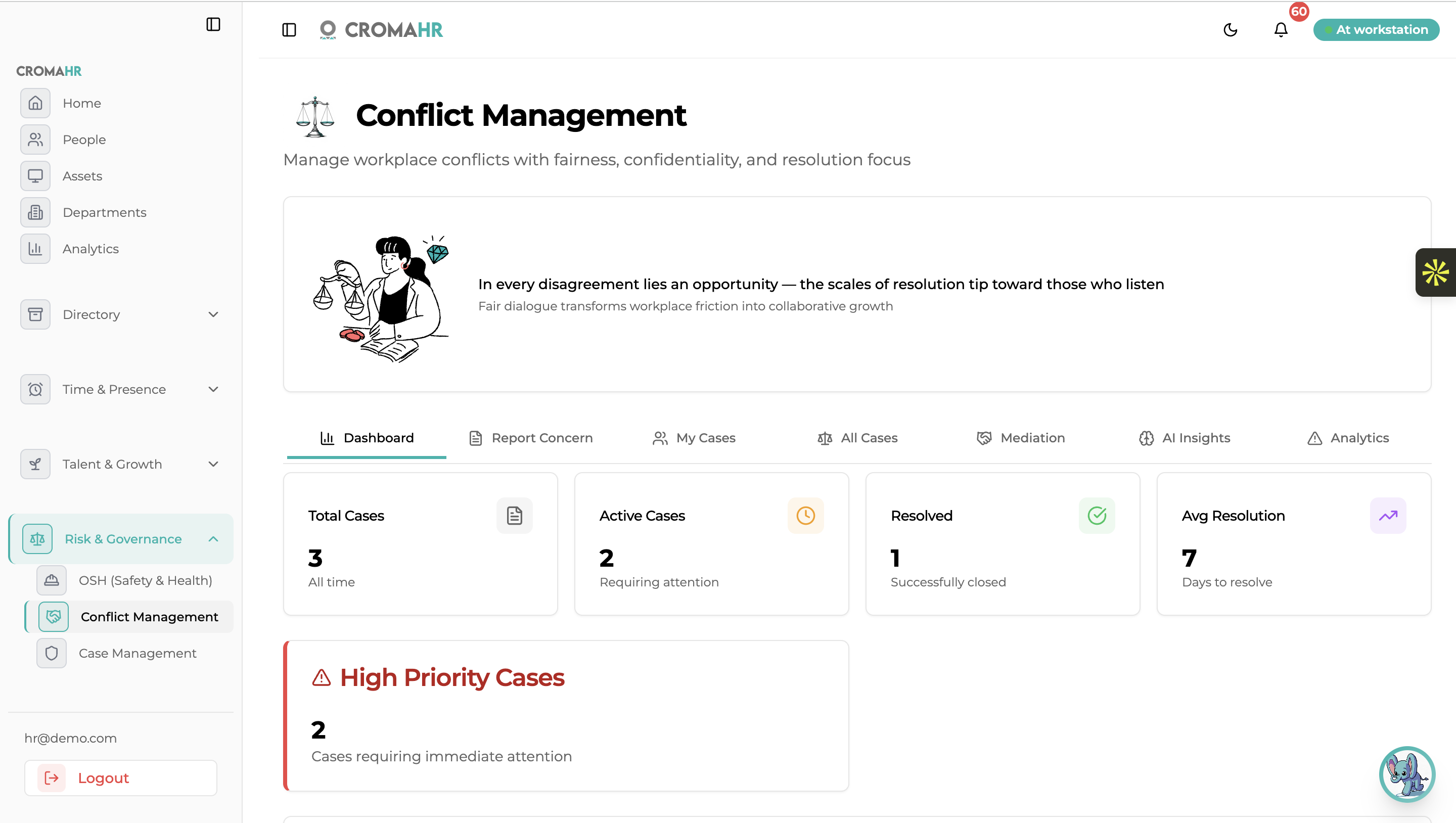
Guide workplace disputes through fair, documented steps with the right people involved.
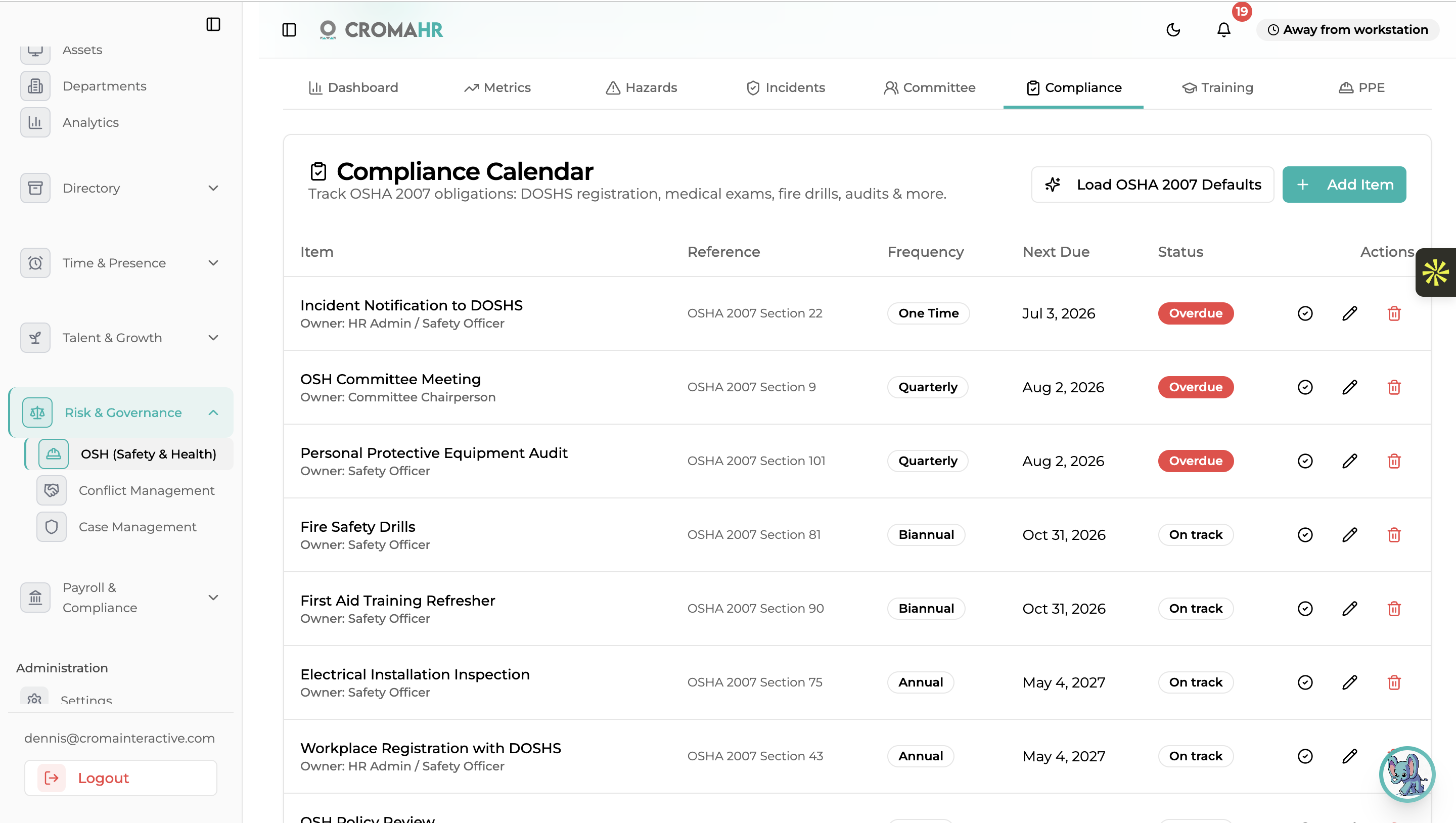
Policies, acknowledgements, review dates and supporting documents ready when you need them.
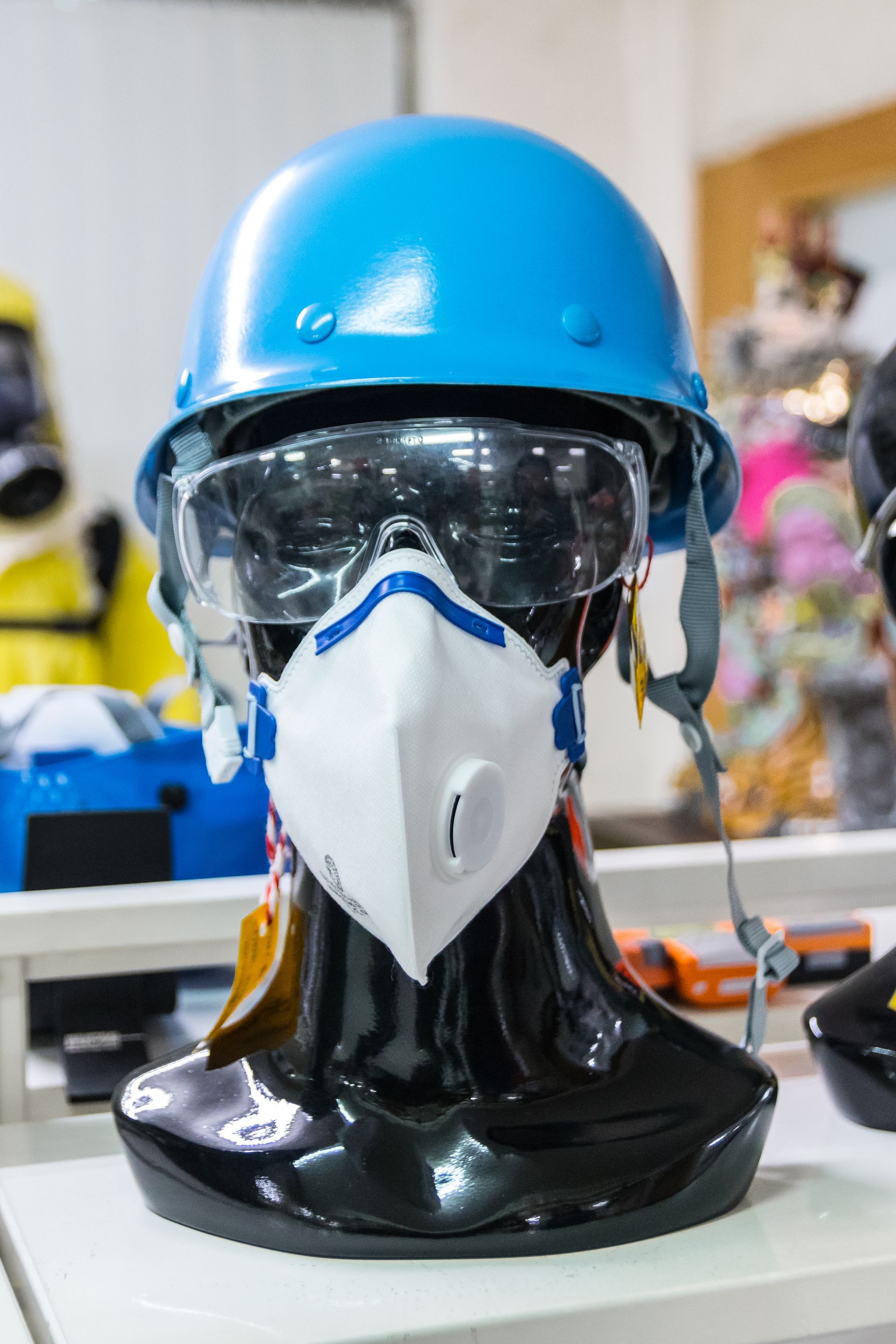
Occupational health & safety
Give every hazard, near miss, incident and inspection a clear place to go. Log what happened, where it happened, who was affected and what immediate action was taken, then assign corrective work with an owner and due date.
Safety registers, risk assessments and inspection schedules help HR and managers spot patterns before they become repeat incidents. Employees can raise concerns, attach evidence and follow the status without chasing people across email.
Employee case management
Manage grievances, disciplinary matters, absence-related concerns, whistleblowing reports and other employee relations cases in one secure workspace. Capture the facts, classify the case, assign an owner and set a review timeline without losing the human context.
Case notes, documents, meeting records and employee responses stay together, with permission controls for sensitive information and a full history of decisions. Automated reminders keep investigations moving and make overdue actions visible.
Conflict management
Workplace conflict is easier to resolve when everyone knows the process. Record the concern, identify the people involved, choose the right intervention and document each conversation, agreement and follow-up action.
Guided resolution paths support informal conversations, mediation, formal investigations and escalation when needed. Keep communication respectful and evidence-based while protecting confidentiality and ensuring that each party gets a fair opportunity to be heard.
Policies & compliance
Publish workplace policies, collect employee acknowledgements and keep review dates visible. Track mandatory training, safety briefings, medical or occupational assessments and corrective actions by team, location or role.
Compliance dashboards show what is complete, what is due and where risk is concentrated, while role-based access keeps sensitive case and health information visible only to authorised people.
When a concern is raised, the right people know what happens next, and the employee knows they have been heard.
Employee relations, made accountable · Safety, fairness and follow-through in one place
More ways to manage your team
Public job portal, AI-assisted CV grading, structured interviews and offers.
Learn more →OnboardDigital contracts, document collection, statutory registration and checklists.
Learn more →ManageGPS-verified clocking, biometric devices, leave policies and self-service.
Learn more →Questions
You can configure case types for grievances, disciplinary matters, absence-related concerns, whistleblowing, workplace investigations and other employee relations matters. Each case can have its own owner, workflow, permissions and review timeline.
Yes. Employees can raise concerns and attach supporting information, while managers and HR assign actions, monitor progress and record the resolution.
Use structured paths for informal conversations, mediation, formal investigations and escalation. Notes, agreements, follow-up actions and outcomes are kept together with access limited to authorised people.
Yes. Publish policies, collect acknowledgements, schedule inspections and training, and see what is complete, due or overdue by team, location or role.
Role-based permissions restrict sensitive case and occupational health information to the people who need it. Access and changes are recorded for accountability.
Yes. Each department can have its own case types, workflows and approvers. A manufacturing site might track safety incidents differently from a head office handling grievances, and the system keeps both on separate, confidential tracks.
Yes. Anonymous reporting channels can be configured so employees report concerns without identifying themselves. The case is routed to a designated investigator, and the anonymity of the reporter is protected throughout the process.
See it on your own numbers
We review how you run this today and send you a written note. You keep it whether or not you become a customer.